Francis Ngannou’s Misunderstanding of Mike Tyson and Jake Paul’s Friendship finally Being A Contractual Story of Money and Strategy
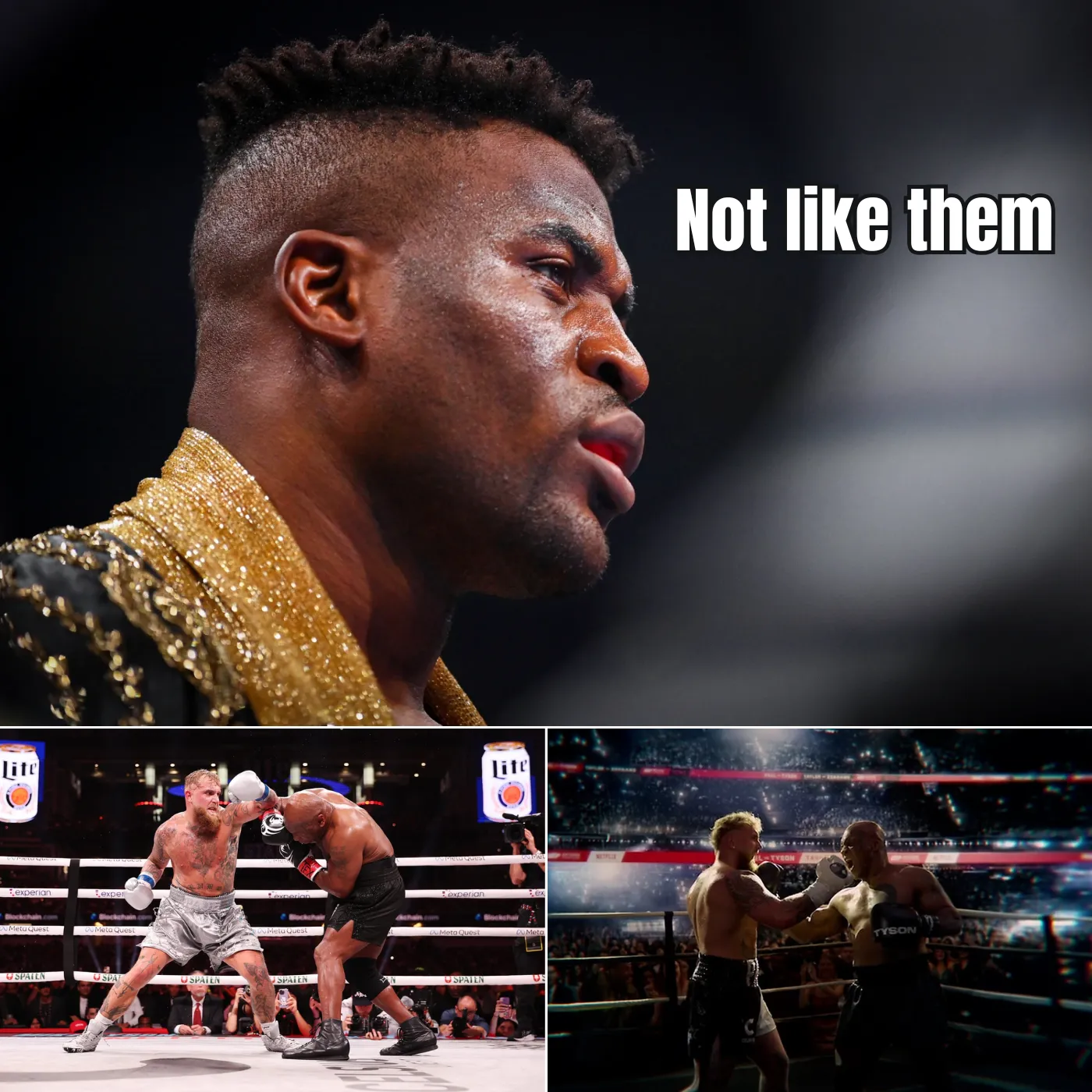
The world of boxing is often filled with rivalry, drama, and financial incentives, and the figures of Mike Tyson, Jake Paul, and Francis Ngannou are no exception. Over the years, these three individuals have become synonymous with combat sports, each with their own unique legacies, personas, and motivations. However, a recent misunderstanding has sparked a conversation in the boxing world—Francis Ngannou, a former UFC champion, seems to misinterpret the relationship between the legendary Mike Tyson and the social media star-turned-boxer Jake Paul. While Ngannou perceives a rivalry, Tyson and Paul’s bond has always been rooted in mutual respect and, more importantly, a shared financial goal.
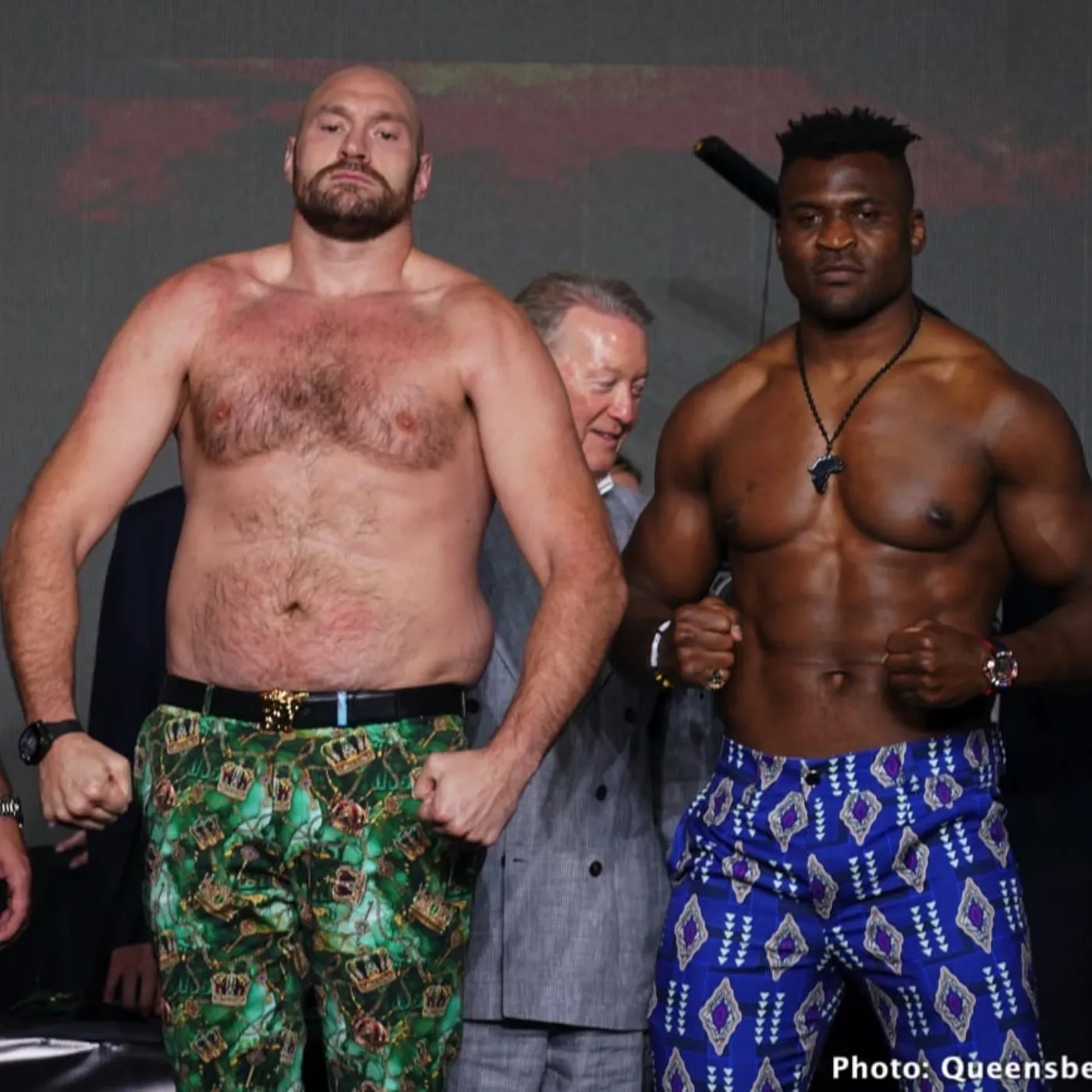
This article explores the nature of the relationship between Tyson, Paul, and Ngannou, unpacking the contract-driven motives that have shaped their actions in recent times. We will delve into the business aspects of their interactions, addressing how contracts and financial incentives play a central role in the dynamics of their “friendship” and the perception of competition in the ring.
Mike Tyson and Jake Paul’s Friendship: Beyond the Facade of Rivalry
At first glance, the relationship between Mike Tyson and Jake Paul might seem unlikely. Tyson, the former undisputed heavyweight champion, represents the old guard of boxing, while Paul, a YouTube personality with no formal boxing background, symbolizes the modern wave of entertainment-driven combat sports. However, behind the scenes, their relationship is far from hostile.
For Tyson and Paul, their bond is based on mutual respect, a shared understanding of the business of boxing, and the realization that the sport has evolved. Tyson, once a figure of ruthless power in the ring, has reinvented himself in his later years. As a businessman, Tyson has recognized that boxing is no longer just about athleticism—it’s about marketing, social media presence, and financial backing. Enter Jake Paul, whose controversial rise in boxing has been fueled by his massive online following and his ability to bring eyes to the sport.
Paul’s boxing matches, though criticized by many traditionalists, have drawn significant attention and pay-per-view buys, which Tyson—always keen on the financial aspect of the sport—has come to admire. Tyson and Paul have often been seen together at various events, publicly supporting each other. Tyson even praised Paul’s boxing skills on several occasions, acknowledging his ability to sell fights and entertain the audience, even if he wasn’t the most seasoned fighter in the ring.
Their “friendship” is not one of deep personal connection but rather one built on the understanding that they can both profit from the public spectacle of their shared endeavors. It’s all about the business, and both fighters understand the importance of keeping the fans interested.
Francis Ngannou’s Perception: Misreading the Dynamics of Money in Boxing
On the other hand, Francis Ngannou, a powerhouse of the UFC with a fearsome knockout ability, has been relatively new to the business side of combat sports. While Ngannou has certainly made waves in the UFC, capturing the heavyweight title and becoming one of the most feared strikers in MMA, his approach to the business of fighting is different from that of Tyson and Paul.
Ngannou, who is now looking to make a mark in the world of boxing, seems to misunderstand the dynamics that govern Tyson and Paul’s relationship. He appears to view their interactions through the lens of competition and rivalry, assuming that the two are at odds with each other. This is largely because of how their business dealings are portrayed in the media, where public altercations and trash talk are often used to hype up a fight.
However, in reality, Tyson and Paul are not competitors in the traditional sense. Instead, they are collaborators in the pursuit of a shared financial goal. The fights they promote and the personas they craft are meant to sell, and that’s where the money lies. The narrative of rivalry is simply a marketing tool, one that benefits both parties in terms of revenue generation. For Ngannou, who is accustomed to a different, more traditional model of competition in MMA, the idea that Tyson and Paul could be “friends” and still make money together might seem strange.
The Power of the Contract: A Business Strategy
At the core of the relationship between Tyson and Paul is the contract. In the world of professional sports, contracts dictate the terms of the relationship between athletes, promoters, and sponsors. Tyson and Paul’s collaboration is not based on personal loyalty or friendship in the traditional sense but rather on the mutual understanding that each fighter has something to offer the other in terms of marketability and income potential.
Tyson, with his legendary career, brings a wealth of knowledge, experience, and an established fan base to the table. Paul, with his massive social media following and the ability to generate hype, brings the ability to sell the fight. Their partnership is a strategic business decision, one that capitalizes on the strengths of each fighter while minimizing their weaknesses.
For both men, this is about securing financial gain. The contracts they sign aren’t about proving who’s the better fighter—they’re about making money. The deal is simple: put on a spectacle that excites the audience, and the money follows. This is the reality that many in the world of combat sports have come to accept, even if it means blurring the lines between genuine competition and entertainment.
The Role of Media and Public Perception
In today’s world, the media plays a crucial role in shaping the public’s perception of athletes and their relationships. Tyson and Paul have both worked with media outlets to create stories that draw attention to their bouts, sometimes adding layers of conflict where none exist. The public is often led to believe that they are bitter rivals or that their relationship is full of tension, but the truth is far less dramatic.
This media-driven narrative feeds into the spectacle of the sport, keeping fans engaged and invested in the storylines. Ngannou, who is still learning how to navigate the media landscape, might not fully grasp the extent to which these narratives are fabricated for entertainment value. His perception of Tyson and Paul’s interactions is likely shaped by the traditional sports journalism model, where rivalries are played up to sell tickets and pay-per-view. The media’s focus on conflict, even if it’s exaggerated, is a key element of this business model.
Francis Ngannou’s Future in Boxing: Lessons Learned from Tyson and Paul
As Ngannou transitions from MMA to boxing, he will need to adapt to the evolving nature of the sport. Understanding the role of business, marketing, and media in shaping his career will be crucial for his success. Unlike in MMA, where the focus is often more on athletic performance and the fighter’s skills, boxing has increasingly become about personality, hype, and money.
Ngannou may find that his success in boxing is not just about his knockout power but also about his ability to engage with fans, promote fights, and navigate the media landscape. He will need to understand that, like Tyson and Paul, his value as a fighter goes beyond what happens inside the ring. The business side of boxing is often what determines who gets the big paydays, and in this world, contracts and financial considerations are king.
Conclusion: Understanding the Business Behind the Fighters’ Bonds
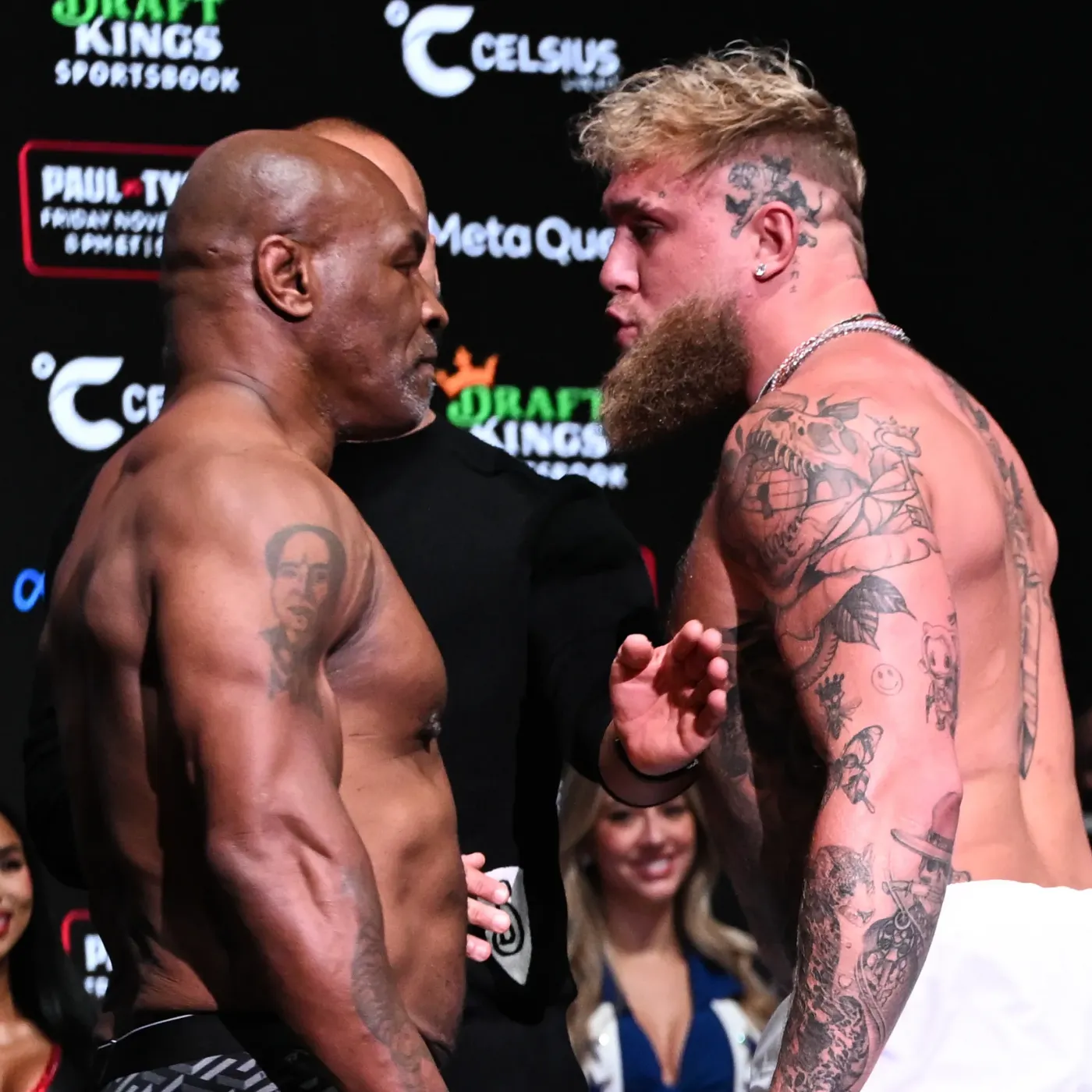
In conclusion, the relationship between Mike Tyson, Jake Paul, and Francis Ngannou is rooted in the business of boxing. Tyson and Paul have long understood the importance of contracts, marketing, and media in generating income and maintaining relevance in the sport. For Ngannou, the transition from MMA to boxing presents a challenge, as he must come to terms with the fact that success in boxing is not just about fighting—it’s about selling a product.
Ngannou’s misunderstanding of Tyson and Paul’s relationship highlights the gap between the traditional view of competition and the modern approach to combat sports, where financial considerations often outweigh personal rivalries. As Ngannou continues to navigate the world of boxing, he will need to embrace these new realities if he hopes to achieve the same level of success as Tyson and Paul. The contract-driven motives behind their interactions are a testament to the evolving nature of the sport, where business strategies often play a larger role than athleticism alone.


Post Comment