Daniel Dubois has more advantages. Why Parker’s speed cannot compensate for his lack of power
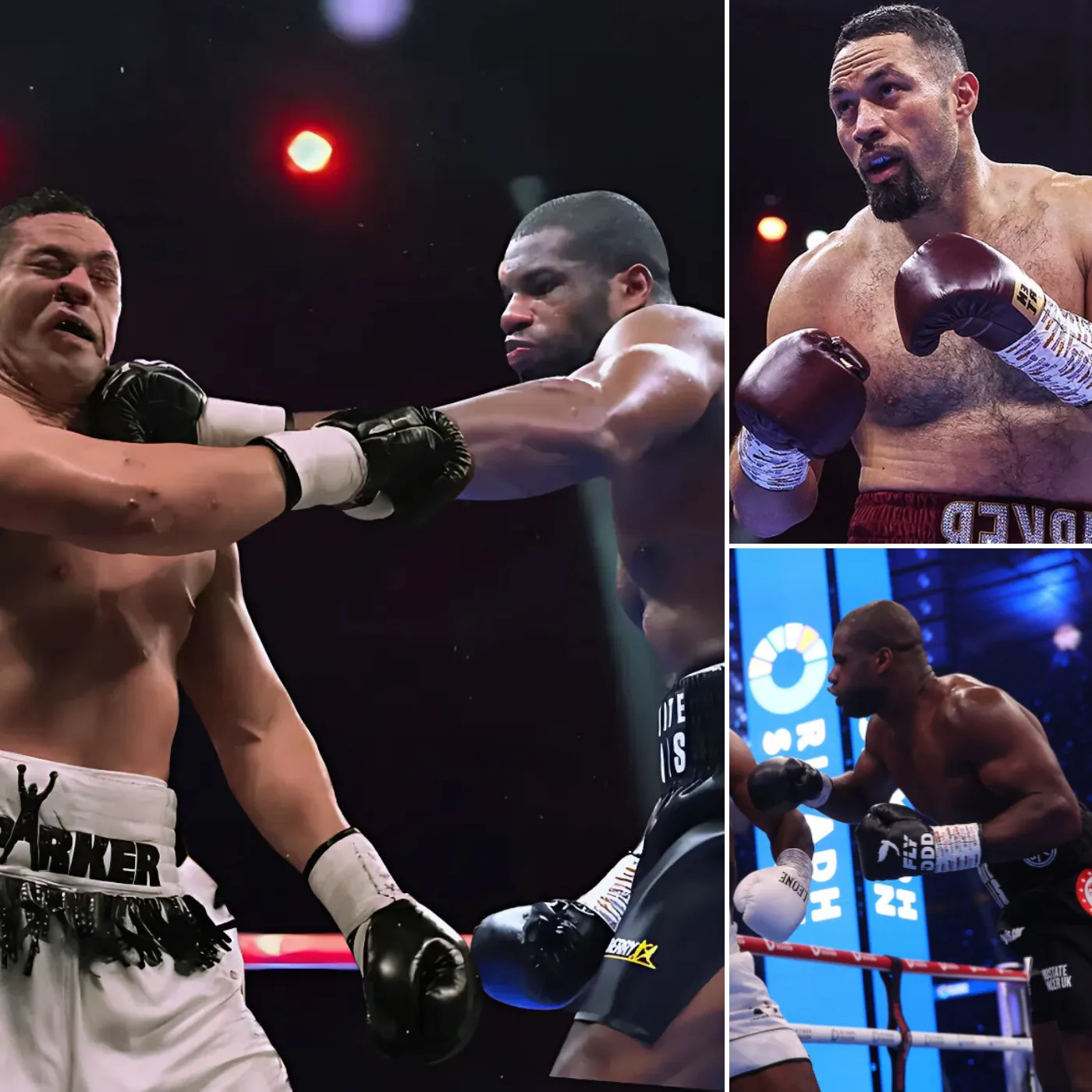
In the world of professional boxing, the heavyweight division has often been a stage for some of the most heated debates and intense rivalries. Among the most promising fighters today are Joe Parker and Daniel Dubois, both of whom have gained attention for their skills and potential in the ring.
Introduction
However, despite Parker’s notable speed and agility, it has become increasingly clear that Daniel Dubois has the upper hand in terms of power, which plays a crucial role in their potential matchup. While Parker’s speed may be his greatest asset, it cannot compensate for his lack of raw power when compared to Dubois, who boasts a more formidable punching force.
This article will explore why Dubois holds the advantage over Parker, looking at factors such as punching power, endurance, and overall physical attributes. Ultimately, it will argue that Parker’s speed alone will not be enough to overcome Dubois’ strength, especially in a prolonged fight.
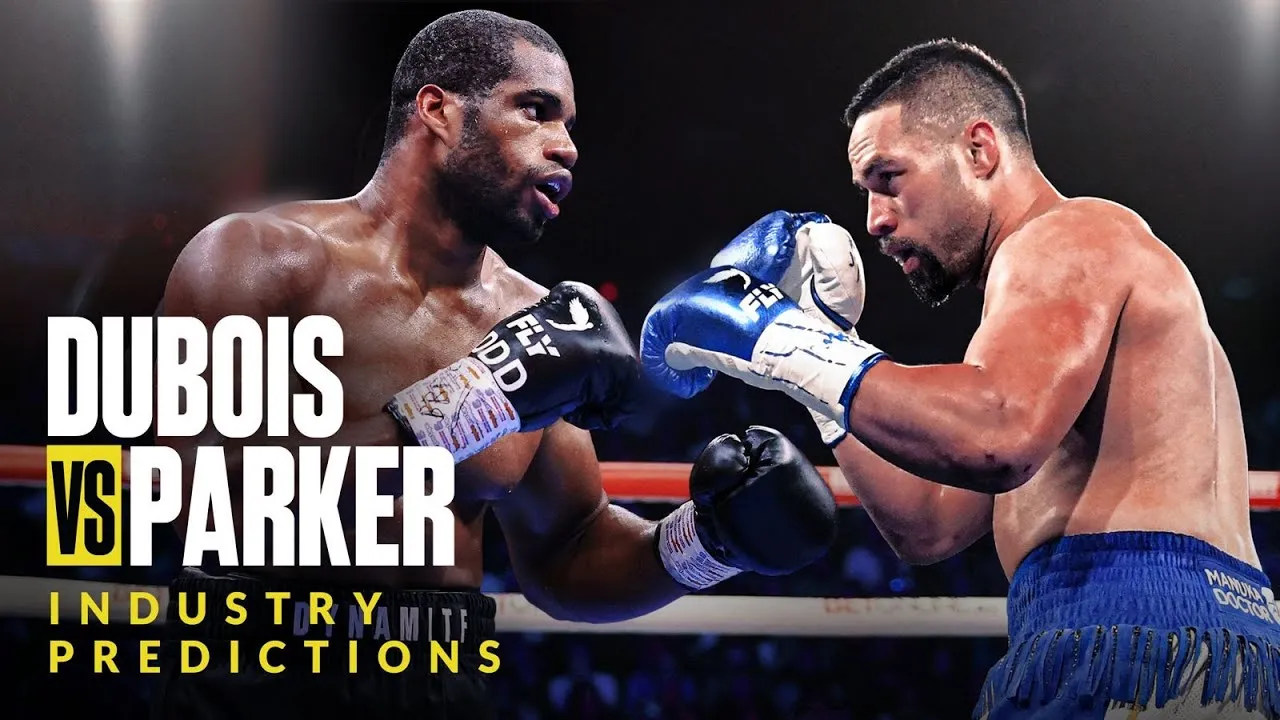
The Power Discrepancy Between Dubois and Parker
When discussing the matchup between Joe Parker and Daniel Dubois, one of the most significant contrasts is their approach to power. While Parker is known for his speed, Dubois is a knockout artist with incredible strength in both hands. This power disparity is a key factor in their potential clash, as Dubois’ punches have a high likelihood of ending fights quickly, whereas Parker’s speed and footwork focus on outpointing his opponents.
Dubois’ Knockout Power
Daniel Dubois is renowned for his devastating punching power. With an impressive knockout-to-win ratio, he has established himself as one of the most dangerous fighters in the heavyweight division. His heavy hands have sent many opponents to the canvas, and he is known for his ability to end fights with a single punch. This raw power stems from his combination of physical strength, natural punching ability, and technique.
In several of his past fights, Dubois has showcased his power in both long-range and close-quarter exchanges, often landing punches that seem to leave his opponents with little chance of recovery. His knockout of Kyotaro Fujimoto in just two rounds serves as a perfect example of his power, as he ended the fight with a single crushing blow to the head. Dubois’ ability to deliver devastating punches in both the first and later rounds gives him a significant advantage over Parker, who lacks similar knockout power.
Parker’s Speed and Agility
On the other hand, Joe Parker has built his career on speed, agility, and technical boxing skills. Known for his quick footwork and ability to land combinations with precision, Parker has been able to outbox many of his opponents. His style is based on moving in and out of range with rapid combinations and using his agility to avoid taking hits.
While Parker’s speed certainly makes him a dangerous fighter in terms of volume and scoring points, it becomes less effective when facing someone like Dubois, who has the ability to absorb punches and deliver powerful counters. Parker’s lack of knockout power is evident when comparing his punch statistics to other heavyweight contenders. Although Parker can land quick shots and score points, he has struggled to deliver decisive knockouts or hurt opponents with his punches, which means he will have to rely on outlasting Dubois over the course of multiple rounds.
Why Parker’s Speed Won’t Be Enough to Compensate for Dubois’ Power
It is true that Joe Parker’s speed can be a significant advantage in certain aspects of the fight, particularly when it comes to avoiding heavy blows and landing combinations. However, in a fight against a power puncher like Daniel Dubois, Parker’s speed alone may not be enough to secure a victory. Here’s why:
Parker’s Lack of Power vs. Dubois’ Knockout Threat
The heavyweight division has always been one where power is king. In any bout between two evenly matched fighters, it is often the one with the superior power who can end the fight with a single blow. This is a significant concern for Joe Parker when facing Dubois, as Parker’s punches are unlikely to trouble Dubois in the same way that Dubois’ punches would trouble Parker.
Parker might be able to outpoint Dubois for a few rounds, using his speed to avoid getting hit cleanly. However, over the course of a prolonged exchange, it becomes increasingly likely that Dubois will land one or more of his crushing blows. Whether it’s a jab, hook, or uppercut, Dubois’ punches are capable of ending a fight with devastating precision, and Parker’s lack of knockout power means that he will have to rely on a consistent point-scoring approach, which is a risky strategy against someone with Dubois’ knockout threat.
Endurance and Conditioning
While Parker’s speed is a valuable asset, Dubois’ power requires him to pace himself carefully in order to ensure that he can maintain his strength over the course of the fight. Parker has shown an ability to maintain his speed over several rounds, but his endurance will be tested when facing a relentless puncher like Dubois.
In a fight that extends beyond six rounds, Parker’s speed may diminish, especially if he has to spend much of the fight avoiding Dubois’ punches. When fatigue sets in, Parker may find himself in a more vulnerable position, as Dubois’ power becomes even more of a threat as the rounds progress. Conversely, Dubois has shown that he can remain a powerful and dangerous presence throughout a fight, maintaining his knockout ability even in the later rounds.
The Psychological Effect of Facing a Power Puncher
Another factor that cannot be overlooked is the psychological pressure of facing a power puncher like Dubois. Parker will know that any punch from Dubois has the potential to end the fight, which can cause him to fight more cautiously. Parker’s speed is most effective when he is in control of the fight and dictating the pace, but when facing someone who can knock him out at any moment, he may find himself on the defensive.
This psychological effect can influence Parker’s game plan, potentially causing him to focus more on survival and avoiding Dubois’ punches rather than executing his own strategy. If Parker is unable to take control of the fight and impose his speed advantage, Dubois will capitalize on his power and continue to press forward.
What Parker Needs to Overcome Dubois’ Power
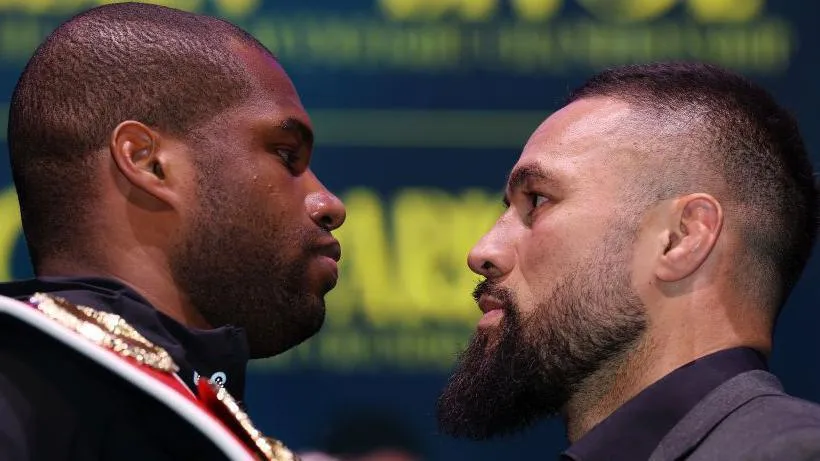
If Joe Parker is to have any chance of overcoming Daniel Dubois’ power, he will need to employ a strategy that minimizes the risk of being hit by Dubois’ powerful punches while maximizing his own ability to score points. This will require exceptional footwork, superior conditioning, and careful control of the pace. Parker will need to use his speed to create angles and land quick shots without allowing Dubois to corner him or trap him in exchanges.
Furthermore, Parker will need to make adjustments in terms of defense. He cannot afford to stand in front of Dubois and absorb heavy punches. Parker must utilize his movement and ring IQ to evade Dubois’ power and tire him out by making him miss and waste energy. However, even with these strategies in place, the risk remains that Dubois’ power will eventually catch up to Parker, and his speed will not be enough to keep Dubois at bay for an entire fight.
Conclusion
While Joe Parker is undoubtedly a talented fighter with significant speed and agility, these attributes alone will not be enough to compensate for the power that Daniel Dubois brings into the ring. Dubois’ knockout power is one of the most dangerous assets in the heavyweight division, and it gives him a significant advantage over Parker, who lacks the same punching force.
Parker’s speed may allow him to outpoint Dubois in the early rounds, but as the fight progresses, Dubois’ power is likely to take its toll, potentially ending the fight before Parker can reach a decision. Ultimately, in the world of heavyweight boxing, where power often trumps speed, Daniel Dubois’ ability to deliver decisive blows makes him the more dangerous and advantageous fighter in a potential matchup against Joe Parker.



Post Comment